
Why Late-Summer Ice Cream & Cold Drinks Cause Sudden Tooth Pain in Corunna, MI Patients
Published on August 6, 2026
By Riverview Dental
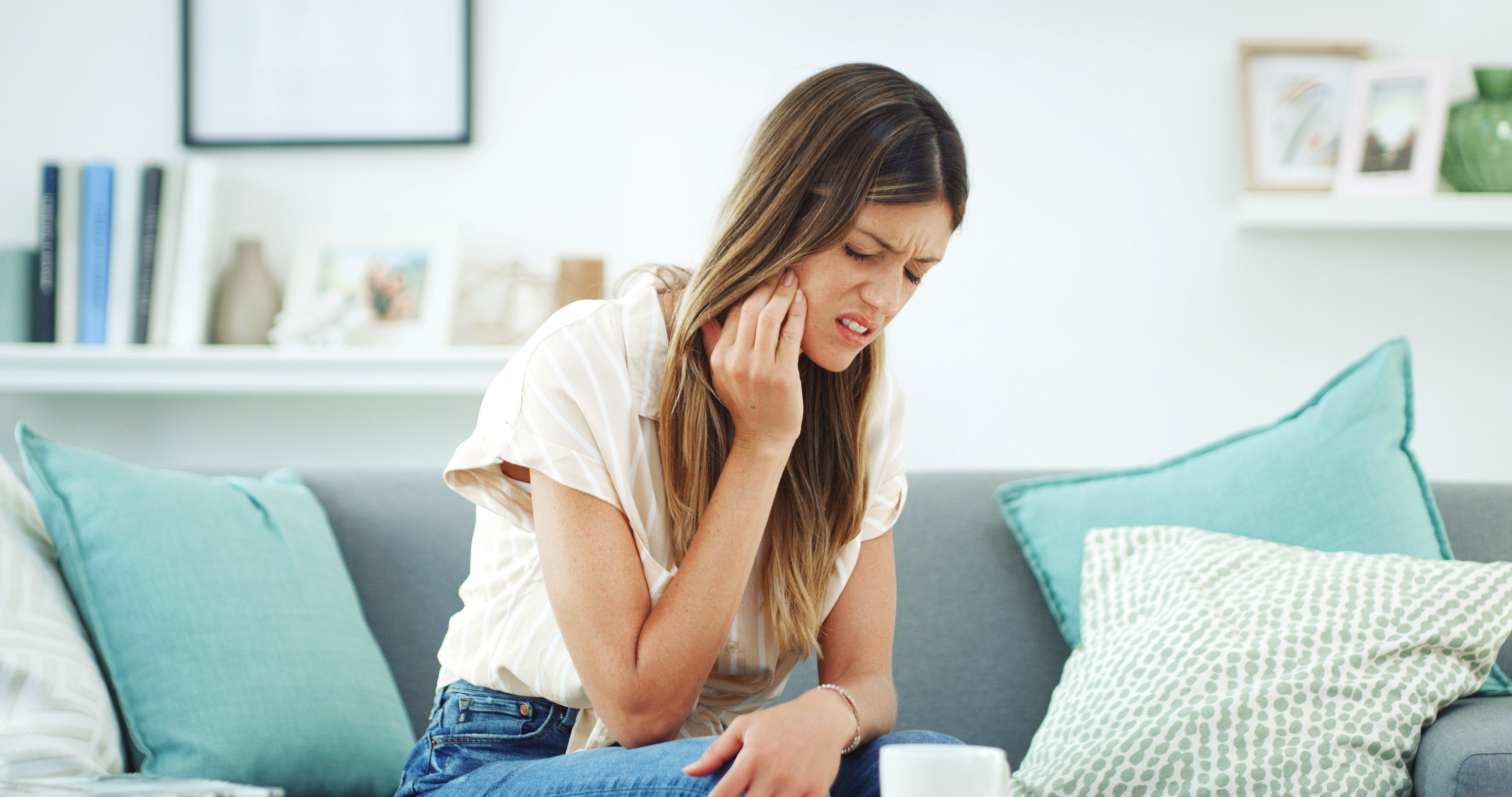
Late summer in Corunna often means ice cream, iced coffee, frozen treats, and cold drinks. When one bite or sip causes a sudden jolt of pain, tooth sensitivity may be the reason. The cold is usually a trigger rather than the true source of the problem.
At Riverview Dental, we evaluate sensitive teeth to determine whether the discomfort comes from worn enamel, exposed roots, tooth decay, a damaged restoration, or another dental concern. Identifying the cause matters because home remedies cannot repair every condition behind sharp tooth pain.
Why Cold Foods Can Trigger Tooth Sensitivity
Enamel protects the visible part of each tooth. Beneath it is dentin, a more sensitive layer containing microscopic channels that lead toward the center of the tooth. When enamel becomes thin or gum tissue recedes, cold temperatures can travel through these channels and stimulate the nerve.
The pain may feel sharp and brief, disappearing soon after the cold item is removed. However, sensitivity that keeps returning should not be ignored. Tooth decay can also cause sensitivity to hot, cold, or sweet foods as it progresses.
Common Causes of Sudden Tooth Pain
Several dental problems can make late-summer treats uncomfortable for Corunna patients:
- Enamel erosion from frequent acidic foods and drinks
- Gum recession that exposes sensitive root surfaces
- Tooth decay or a cavity
- A cracked tooth or damaged filling
- Teeth grinding or clenching
- Gum disease or inflammation
- Temporary sensitivity after whitening or dental work
- Brushing too aggressively with a firm toothbrush
A brief reaction across several teeth may point to generalized sensitivity. Pain focused on one tooth, especially when biting, may indicate a crack, cavity, loose filling, or another localized problem that needs attention. Cracked teeth commonly react to biting pressure and temperature changes, particularly cold.
How Summer Drinks Can Affect Enamel
Cold temperature is not the only issue. Lemonade, sports drinks, soda, flavored sparkling water, and citrus beverages can be acidic. Frequent exposure may gradually wear away enamel, making the underlying dentin easier to reach. The American Dental Association recommends limiting acidic foods and drinks and rinsing with water after consuming them.
Try to drink acidic beverages with meals rather than sipping them throughout the day. A straw can reduce contact with the front teeth, and plain water can help wash away residue. Avoid brushing immediately after an acidic drink because the enamel may be temporarily softened.
What You Can Do at Home
Use a soft-bristled toothbrush and gentle pressure when brushing twice daily. A fluoride toothpaste made for sensitive teeth may reduce discomfort over time when used consistently. Continue flossing carefully, since avoiding a painful area can allow plaque to build up.
These steps may help mild sensitivity, but they should not replace an examination when pain is new, persistent, or worsening. Desensitizing toothpaste will not repair decay, a fracture, or a failing restoration.
When to Schedule a Dental Evaluation
Contact a dentist when sensitivity lasts more than a few days, repeatedly affects the same tooth, or interferes with eating and drinking. Lingering pain after cold exposure, discomfort when biting, swelling, fever, a bad taste, or pain that wakes you at night may require more urgent care.
At Riverview Dental, we examine the teeth, gums, bite, and existing restorations to locate the source of sensitivity. Depending on the findings, care may include fluoride treatment, a tooth-colored restoration, a crown, gum therapy, root canal treatment, or another personalized recommendation. Our Corunna practice offers preventive and restorative services designed to protect comfort, function, and long-term oral health.
Stop letting cold treats send a shock through your smile. Schedule a tooth sensitivity evaluation with Riverview Dental at 611 N. Shiawassee St., Corunna, MI 48817, by calling (989) 743-4851.


